[PR]上記の広告は3ヶ月以上新規記事投稿のないブログに表示されています。新しい記事を書く事で広告が消えます。
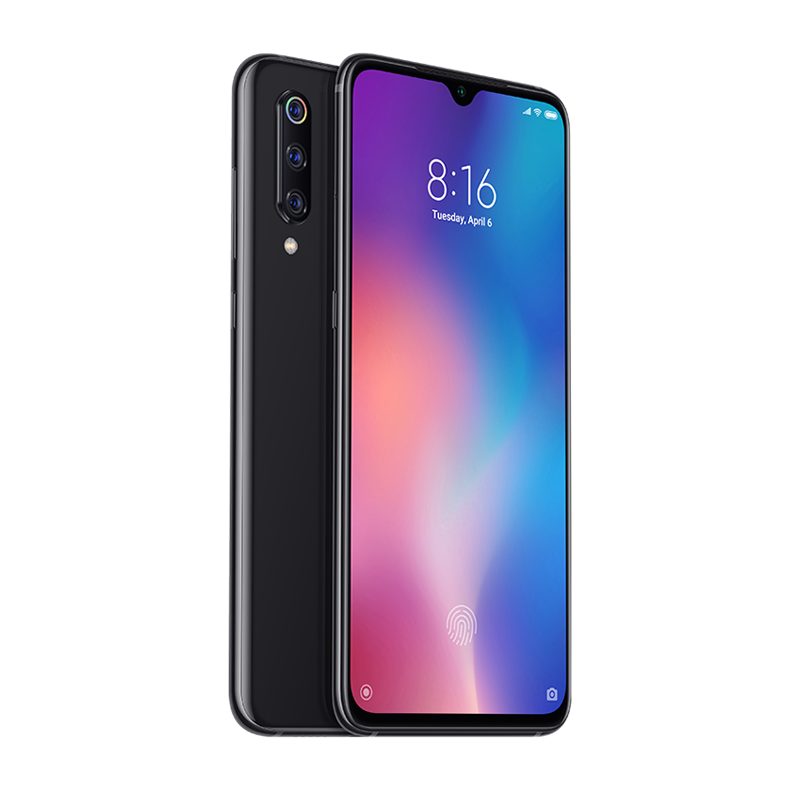
The Chinese manufacturer Xiaomi, bring his new 5G smartphones to the customer: Mi 9 Pro 5G. Comparing with the predecessor Xiaomi Mi 9, the new smartphone supports the new 5G mobile communications standard and also brings some interesting functions with it.
New 5G smartphone
The Xiaomi Mi 9 Pro 5G is not the first 5G cell phone from Xiaomi. The first 5G cell phone is Xiaomi Mix 3 5G. Of course, the device also works in older mobile standards such as LTE and 3G. As introduced, Xiaomi Mi 9 Pro 5G is to sport 30W Super Fast Wireless Charging technology. The device has already received TENAA certification which revealed some key specifications. The Mi Pro 5G cell phone will have a 6.39-inch display while running on Snapdragon 855 Plus SoC. The phone will feature up to 12GB RAM with up to 512GB internal storage along with a 4,000mAh battery.
Super Charge 30W Wireless Technology
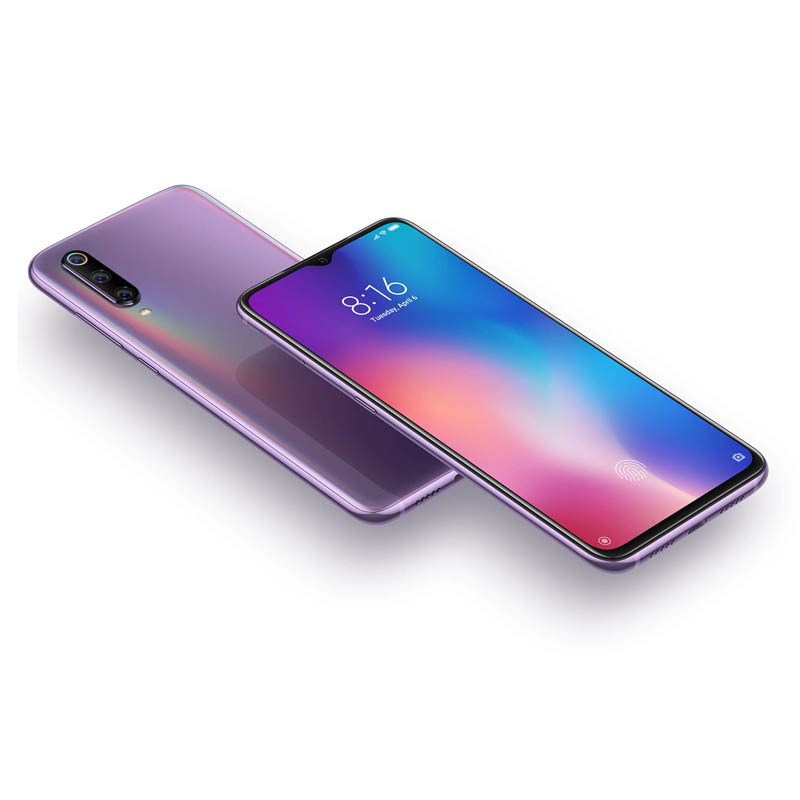
Especially interesting is the charging function. The new Xiaomi 5G phone is the first smartphone that can be charged with 30 watts. The highlight of this event was Xiaomi’s Mi Charge Turbo technology, of course. Xiaomi claims that Mi Charge Turbo is the world’s first 30W wireless charging solution. With this, users can wirelessly charge a 4,000mAh battery phone from 0% to 50% in just 25 minutes, and up to 100% in just 70 minutes. This pitches the wireless charging solution to be higher than a lot of current generation wired charging solutions. The specifics of the working of this technology are not very clear at this stage since the presentation and source are in Chinese. Thus, the device is expected to be one of the fastest charged smartphones in the market despite large 4,000 mAh battery. In addition to wirelessly charging the smartphone, it can also charge other devices.
So far, it was only possible to buy the smartphones and other devices of the bustling manufacturer on gray imports or Chinese online shops. But the company wants to change that soon. Because it has announced that it intends to distribute its smartphones on many other markets officially.
Mi 9 Pro 5G Availability and Price
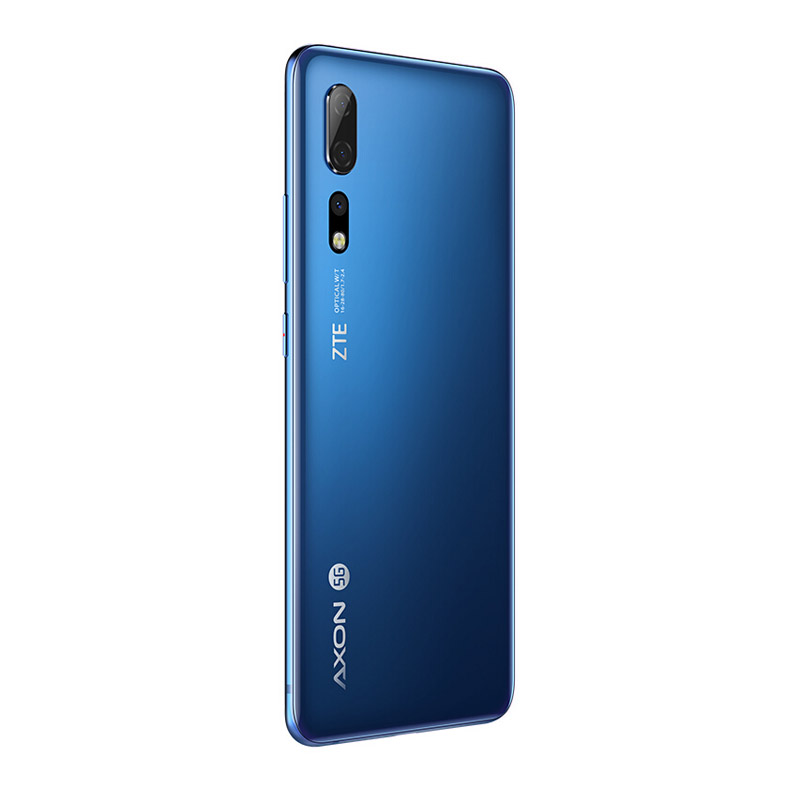
Xiaomi has not shared any launch and available details about the Mi Pro 5G. But a recent leak indicates that the company is pretty close to launching the smartphone. And the Xiaomi Mi 9 pro 5G price is not yet known, but considering Xiaomi style, it’s expected to be better than Huawei 5G smartphone Mate 20 X 5G and ZTE Axon 10 Pro 5G.
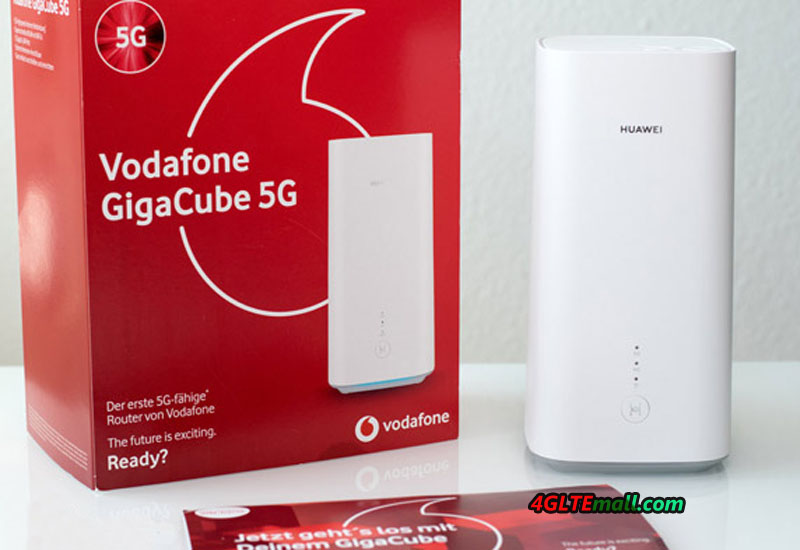
Vodafone is the first operator in Germany to provide 5G service. To help users enjoy 5G service, Vodafone also presented the 5G data tariff with a compatible 5G router, which is named "Gigacube 5G". We show what the super router can do, what advantages and weaknesses there are in this blog. Of course there is also a comparison to the previous model (Huawei B818 = Vodafone GigaCube Cat19) and saving tips for interested parties.
| Vodafone Gigacube 5G Specs and Features | |
| Manufacturer and device name | Huawei CPE 5G Pro (H112-370) = Gigacube 5G |
| Supported mobile standards | 2G, 3G, 4G, 5G |
| 5G network modes | Non standalone & stand alone |
| chipset | Huawei Balong 5000 |
| Maximum 5G data rate | 2.8 GBit/s Down & 150 MBit/s Up according to Vodafone |
| 5G frequencies | 5G band n78 |
| mmWave frequencies | no, only the H112-372 still supported n41 / n77 / n79(more about difference between Huawei H112-370 and H112-372) |
| LTE frequencies | 700, 800, 900, 1500, 1800, 2100, 2600, 3500 MHz |
| External 5G antenna can be connected | yes, 2 x TS9 ports(Buy Vodafone Gigacube 5G External Antenna) |
| WLAN Features (LAN & WiFi) | |
| WLAN standards | 802.11a/b/g/n/ac and ax(up to Wifi 6) |
| Maximum gross data rate with WLAN | 5100 Mbps |
| Supported WLAN bands | 2.4 and 5 GHz, 6 Wifi antennas |
| WLAN guest access can be installed | Yes |
| WLAN encryption standards | WPA, WPA2, WPS |
| Gigabit LAN | yes, 2 ports |
| WAN port | No |
| Telephone | |
| Telephone Support | No |
| Other features | |
| IPv6 support; Dual stack | Yes / Yes |
| NAS capable | No |
| SIM form factor | Nano SIM |
| Power consumption approx. | <24 watts |
| Suitable for IPTV | Yes |
| Can be used as a media server | no, no USB |
| USB ports on the back | No |
| Battery for self-sufficient operation | No |
| Dimension and weight | 99 mm x 107 mm x 215 mm and 765 grams |
| Files to download | |
| Datasheet for download (PDF) | not yet available online |
| Manual for download (PDF) | not yet available online |
| Available | »https://www.4gltemall.com/ |
First 5G router in Germany
The Gigacube 5G was the first 5G Router widely available in Germany, although shortly before another network provider in Germany Telekom presented a 5G gateway named HTC 5G Hub.
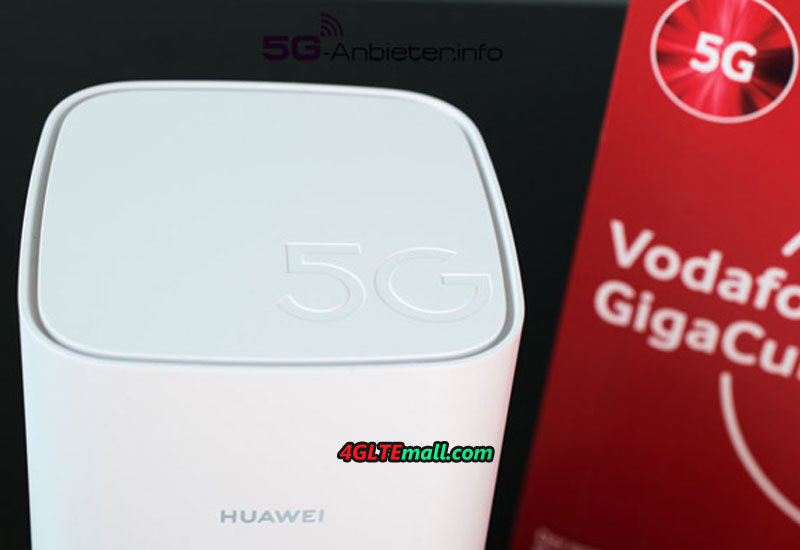
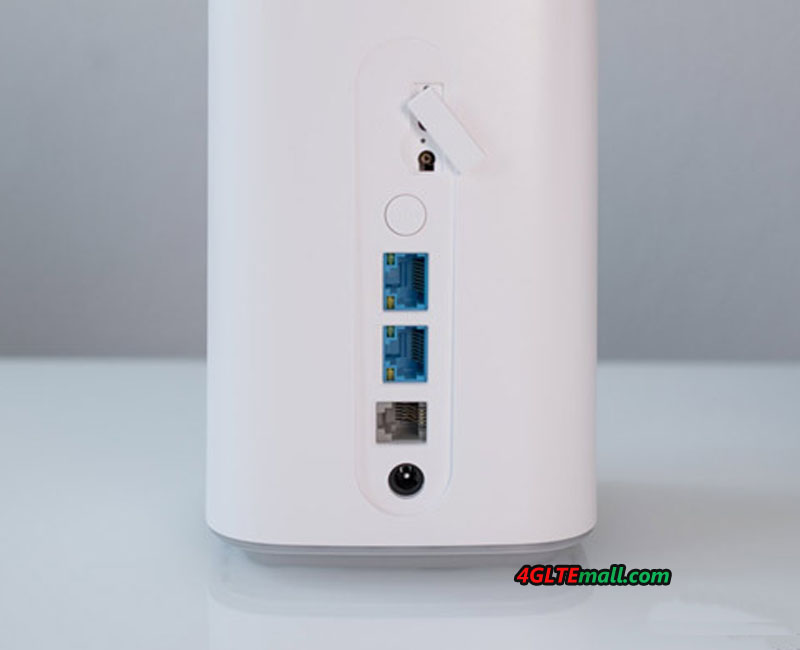
From a purely visual point of view, it looks similar to the predecessor model called "Gigacube CAT19" at first glance. Instead of the Vodafone logo emblazoned on the front now, the Huawei logo, which is actually atypical for the routers from Vodafone. In addition, the striking big "5G" was stamped on the top. Also, the number of LEDs in the front has been greatly reduced from 8 to 3 pieces.
Data rate, models and 5G SoC
The Vodafone 5G Router is actually the "H112-370" model from Huawei. There is, of course, another version called "H112-372", which differs in terms of Wifi and 5G/LTE equipment. At the heart of the Gigacube 5G is the Balong 5000 chipset, which was introduced in January 2019, The SoC in itself dominated some features, such as 5G in the mmwave area, but which were obviously disabled in part in the firmware. There are also various specifications for the maximum possible data rate. While Huawei speaks of a 5G transmission rate of 2.33 GBit/s in the download and 1.25 GBit/s in the upload, Vodafone gives 2.8 GBit/s (down) and 150 MBit/s (up). Frequencies for 4G & 5G The newest version controls all nationally and internationally relevant bands. Vodafone GigaCube 5G supports LTE FDD Band 700/800/900/1500/1800/2100 and 2600 MHz. In addition, the TDD band 3500 MHz is supported. At 5G, unfortunately, only one band is supported, the so-called n78 band which includes frequencies from 3.3 to 3.8 GHz. So it could be problematic if other bands are released in the future. If you want to use the 5G router supporting more 5G frequency bands, you may check the Huawei CPE 5G PRO H112-372 which supports additional 5G at n41, n77 and n79.
Connections & WLAN
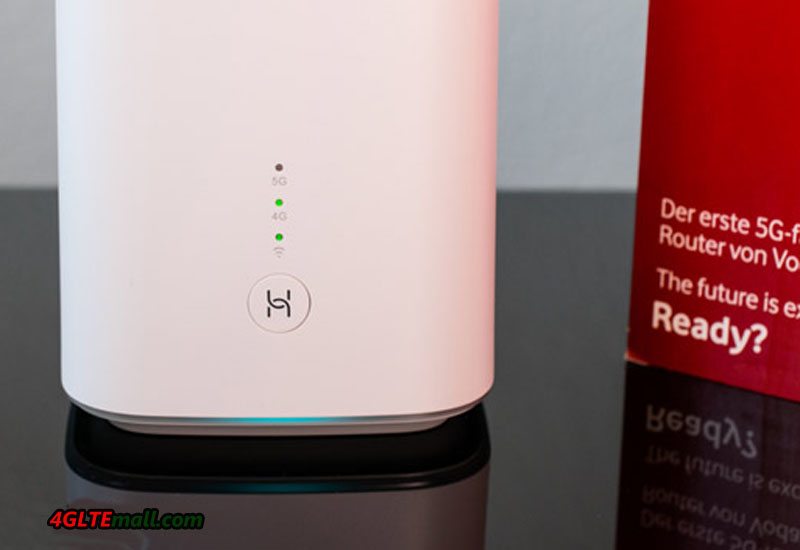
On the back there are two Gigabit LAN ports, as well as a telephone connection. It describes how to connect a telephone anyway. It is also negative that the 5G model no longer has a USB port. The use as a media server is therefore not possible. The Wifi module, on the other hand, is state of the art and comes with Wifi 6. This refers to the standard 802.11ax, which again promises significantly more data rate than the best ever ac standard. This means a maximum gross data rate of 11 GBit/s. In total, up to 32 users can be supplied with WLAN.
Heavier than the previous models
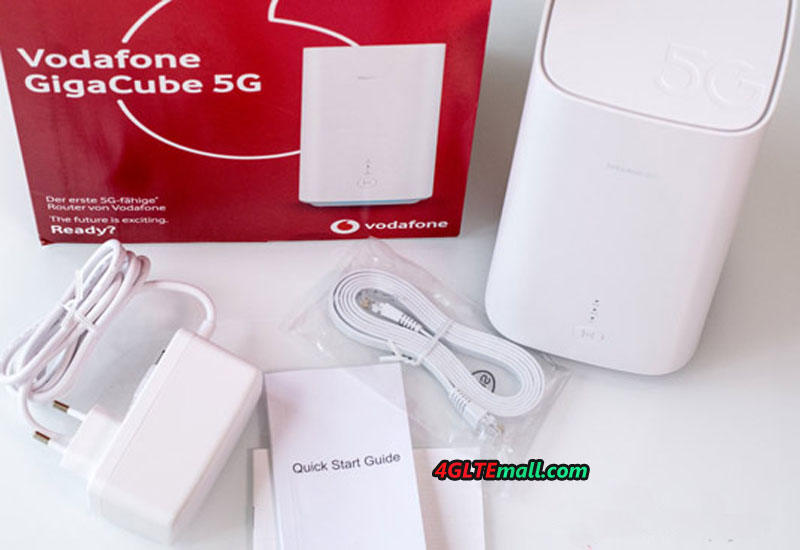
Conspicuously, the newest router has again increased significantly in weight. While the first model of 2017 still came with a slim 366 grams, the Gigacube CAT19 from the beginning of 2019 already weighed 620 grams. The Gigacube 5G brings it now to stately 765 grams on the scales and has thus more than doubled to the first version.
Antenna connections for better reception
Fortunately, Huawei has continued to build two TS-9 ports in the router 5G Huawei, which can be connected to two antennas to improve reception if required for both LTE and 5G reception optimization. Although the internal antennas already do excellent work, but especially in remote regions or in difficult conditions, additional antennas are often absolutely necessary.
Other features and innovations
By the way, the 5G router only holds Nano-SIM cards. The predecessors were all still designed for micro SIMs. By the way, Vodafone has by default disabled the PIN on SIM cards. Optionally, this can be set on the router again. The Gigacube 5G also supports Huawei VPN tunnel/VPN penetration, IP penetration, IPv6 and IPv6 dual stack and multi-APN.
Differences to the predecessor Huawei B818
The following table summarizes again the most important differences to the predecessor model Vodafone GigaCube Cat19.
| Router comparison | Gigacube 5G | GigaCube CAT19 (2019) |
| Factory Model | Huawei H112-370 | Huawei B818-260 |
| 5G support | Yes | no, defies "5G ready" label |
| Download Speed | 2.8 GBit/s | 1.6 GBit/s |
| Upload Speed | 150 Mbps | 150 Mbps |
| LTE Category | not spec. but at least CAT19 | cat19 |
| Supported LTE Bands | 700, 800, 900, 1500, 1800, 2100 and 2600MHz; 3500 TDD MHz | 700, 800, 900, 1500, 1800, 2100, 2600, 3500 MHz |
| supported bands 5G | n78 | none |
| External antenna connectors | yes, TS-9 | yes, TS-9 |
| Telephone | no (only via VOIP) | no (only via VOIP) |
| LAN ports | 2 x GBit | 2 x GBit |
| Wireless Internet Access | to WLAN ax (Wifi 6) | to WLAN ac (Wifi 5) |
| Battery pack | No | No |
| Price in USD | 1299.00 | 799.00 |
To meet the requirements from 5G network, Netgear presented a new mobile WiFi hotspot Nighthawk M2 for the Australian network provider Telstra and carriers in Europe. Netgear Nighthawk M2 is an ultra-fast portable WiFi router with next-generation Gigabit 4G LTE connectivity with a download speed of up to 2 Gbps. The Netgear Nighthawk M2 5G router is upgraded from the predecessor Nighthawk M1, so you may ask what’s the difference between Netgear Nighthawk M2 and M1?
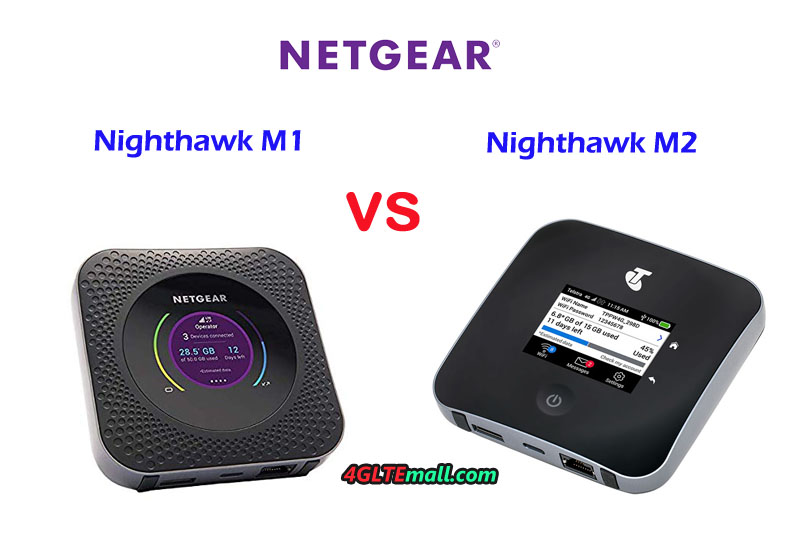
In the table below, you will see the details specs of Netgear Nighthawk M2 unlocked and Nighthawk M1 unlocked for your reference:
| Model | Netgear Nighthawk M2 | Netgear Nighthawk M1 |
| Product type | 5G Mobile Hotspot | 4G LTE Mobile Hotspot |
| Category | LTE Cat.20 | LTE Cat.16 |
| Chipset | Qualcomm Snapdragon X24 | Qualcomm MDM9x50 |
| Data rates | DL 2Gbps/UL 150Mbps | DL 1Gbps/UL 100Mbps |
| Supported 4G LTE frequency bands | -- Telstra Nighthawk M2 MR2100-1TLAUS: Band 1/3/7/8/28 -- Nighthawk M2 MR2100-100EUS: Band 1/3/7/8/20/28/38/40/41 -- Hong Kong Nighthawk M2: LTE Band 1/3/8/20/29/30/38/40/41 | -- Telstra Nighthawk M1: Band 1/3/7/8/28 -- AT&T Nighthawk M1: Band 1/2/3/4/5/7/12/29/30/66 -- Hong Kong Nighthawk M1: LTE Band 1/3/8/20/29/30/38/40/41 |
| WLAN | 802.11a/b/g/n/ac, dual-band 2.4GHz & 5GHz | 802.11a/b/g/n/ac, dual-band 2.4GHz & 5GHz |
| Max support users | 20 users | 20 users |
| MIMO | 4 X 4 MIMO | 4 X 4 MIMO |
| Connector for external antenna | Two, TS-9 jacks | Two, TS-9 jacks |
| Buy Antenna | Netgear Nighthawk M2 Antenna | Netgear Nighthawk M1 Antenna |
| App management | Netgear Aircard APP | Netgear Aircard APP |
| SIM type | Micro SIM | Micro SIM |
| Battery | Removable, 5040 mAh | Removable, 5040 mAh |
| Dimensions | 105.5 x 105.5 x 20.35 mm | 105.5 x 105.5 x 20.35 mm |
| Ethernet Port | * One port for LAN port(RJ-45) * One port of USB-A * One port of USB-C | * One port for LAN port(RJ-45) * One port for USB 2.0 |
| Datasheet download | Netgear Nighthawk M2 Datasheet | Netgear Nighthawk M1 Datasheet |
| User Manual | Netgear Nighthawk M2 Manual | Netgear Nighthawk M1 Manual |
| Other features | 3GPP, Rel. 14, 5 band CA, 256QAM DL / 64QAM UL, JumpBoost | 3GPP, Rel. 12, 4 band CA, 256QAM DL / 64QAM UL, JumpBoost |
| Firmware download | Nighthawk M2 Firmware | Nighthawk M1 Firmware |
| Drivers | Nighthawk M2 Driver | Nighthawk M1 Driver |
| Reviews | Netgear Nighthawk M2 Review | Netgear Nighthawk M1 Review |
| Price | 999.00USD | 459.00USD |
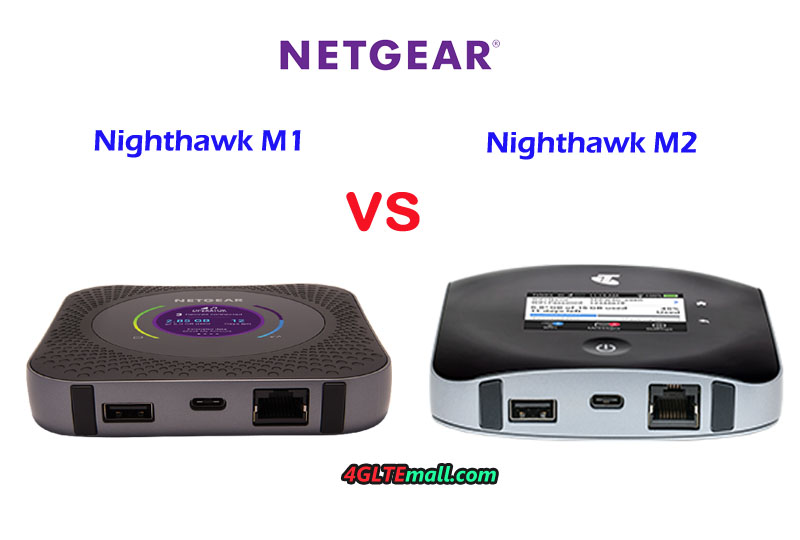
Here you can check the general comparison of Nighthawk M2 and M1:
Nighthawk M2 Mobile Router (MR2100):
- LTE CAT 20, DL support up to 2Gbps speeds - 3GPP, Rel. 14
- 5CA with 20 simultaneous Downlink layers
- 4x4 MIMO
- 256QAM DL / 64QAM UL CA 3C, 7C
- 11ac Dual band dual concurrent
Nighthawk M1 Mobile Router (MR1100):
- LTE CAT 16, DL support up to 1Gbps speeds - 3GPP, Rel. 12
- 4CA with 10 simultaneous Downlink layers
- 4x4 MIMO
- 256QAM DL / 64QAM UL CA 3C, 7C
- 11ac Dual band dual concurrent
We can see that, based on the technology improvement, Netgear Nighthawk M2 is more advanced than M1, M2 can achieve download speed up to 2Gbps while M1 only half of it. And the Nighthawk M2 has larger touch screen to 2.4 inches. Other features are very similar.
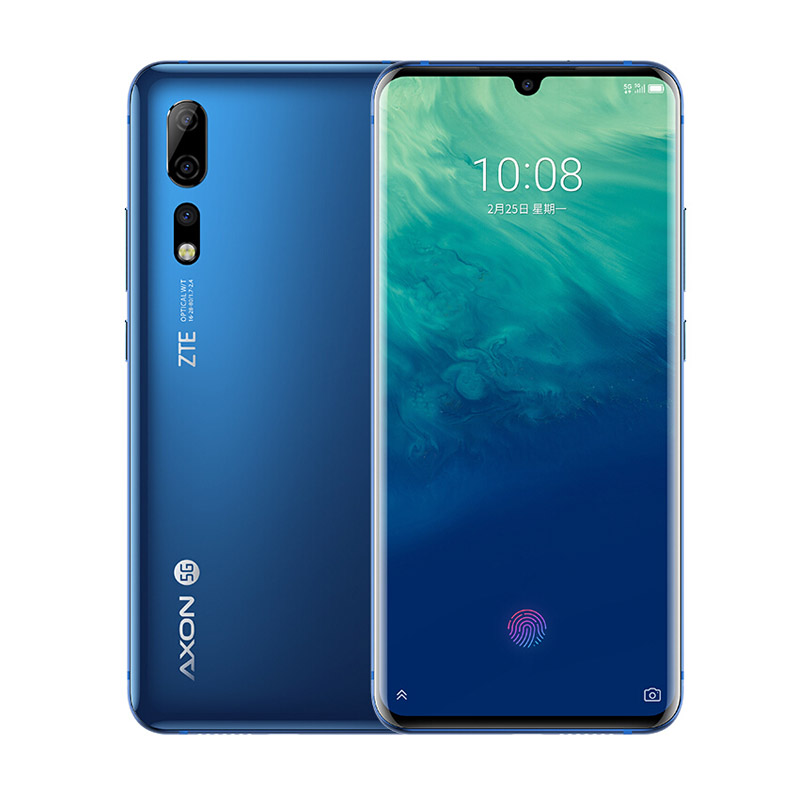
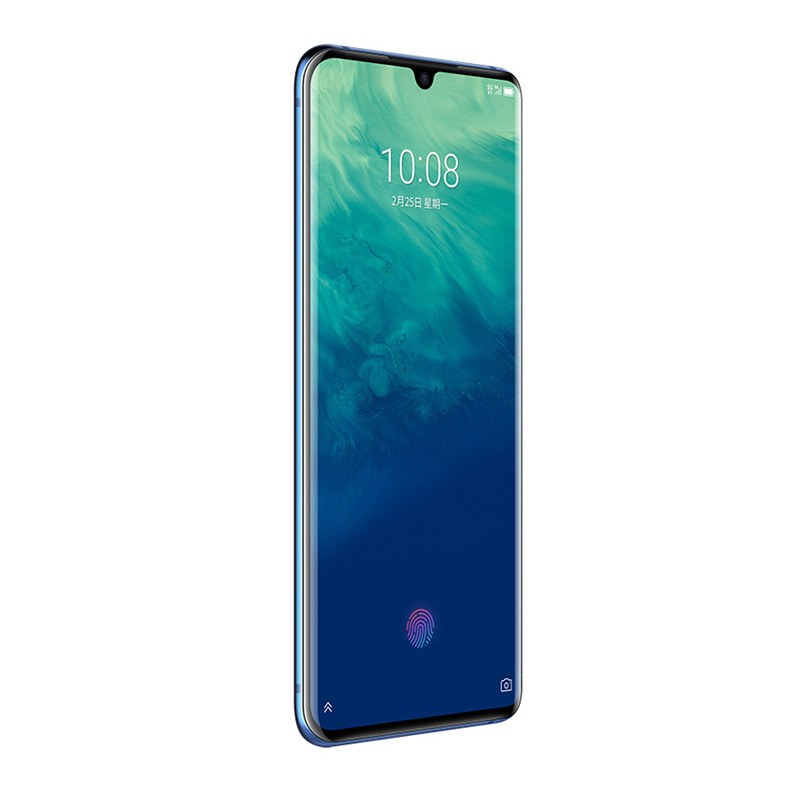
| Brand | ZTE |
| Model | Axon 10 Pro 5G |
| Release date | February 2019 |
| Form factor | Touchscreen |
| Dimensions (mm) | 159.20 x 73.40 x 7.90 |
| Battery capacity (mAh) | 4000 |
| Fast charging | Quick Charge 4+ |
| Wireless charging | Yes |
| Screen size (inches) | 6.47 |
| Touchscreen | Yes |
| Resolution | 1080x2340 pixels |
| Processor | octa-core |
| Processor make | Qualcomm Snapdragon 855 |
| RAM | 6GB |
| Internal storage | 128GB |
| Expandable storage | Yes |
| Expandable storage type | microSD |
| Expandable storage up to (GB) | 2 |
| Rear camera | 48-megapixel (f/1.7) + 20-megapixel (f/2.2) + 8-megapixel (f/2.4) |
| Front camera | 20-megapixel (f/2.0) |
| Operating system | Android Pie |
| Wi-Fi | Yes |
| Wi-Fi standards supported | 802.11 a/b/g/n/ac |
| Bluetooth | Yes, v5.00 |
| USB Type-C | Yes |